Vocal Ensemble Workshop Session 3: Saturday Feb 28 3:30-5:00pm

In our 2nd session, we covered

  • tuning with the mask & soft palette

  • vocal strengthening techniques: vowel volume

  • learning the 2nd, 4th, and 5th intervals

  • glissando and portamento between notes

  • forming chords using the intervals

  • continuing ensemble motion and coordination

    Exercises to prepare for Session 3:

  1. Practice singing the 2nd, 4th, and 5th intervals with a drone of the fundamental playing in the background. Get these degrees of the scale committed to your inner ear memory so you can find them in any key.

  2. Continue to refine your tuning and vocal resonance using ‘ng’ hum into vowel sounds with soft palette vibrating.

  3. Move fluidly through the 1, 2, 4, and 5 pitches in the scale, improvising and changing duration, timbre, volume.

  4. Record yourself practicing and listen back for your tuning, quality of tone, and dynamics. Use diaphragmatic breathing, mask tuning, and moving the vocal source from belly, to chest, to throat, to mask- this will help you get more acquainted with the tone qualities and resonances you are currently able to produce.

    *hint: although it’s okay to sound nasal when practicing tuning (and some nasal resonance in our singing is okay from time to time), we don’t want our vocal tone to generally sound very nasal. to prevent your tone being too nasal, you can always pinch your nose closed to see if it affects the sound of the voice. if the sound changes perceptibly, you are too nasal! attempt to produce tones that do not alter when you pinch your nose closed.

In our next session, we will cover:

  • introducing the minor 7th interval

  • learning to sing through the scale from the fundamental: 1,2,4,5,7

  • combining techniques to improvise on a scale

  • chordal and harmonic motion within the ensemble

  • learning a section of a composition

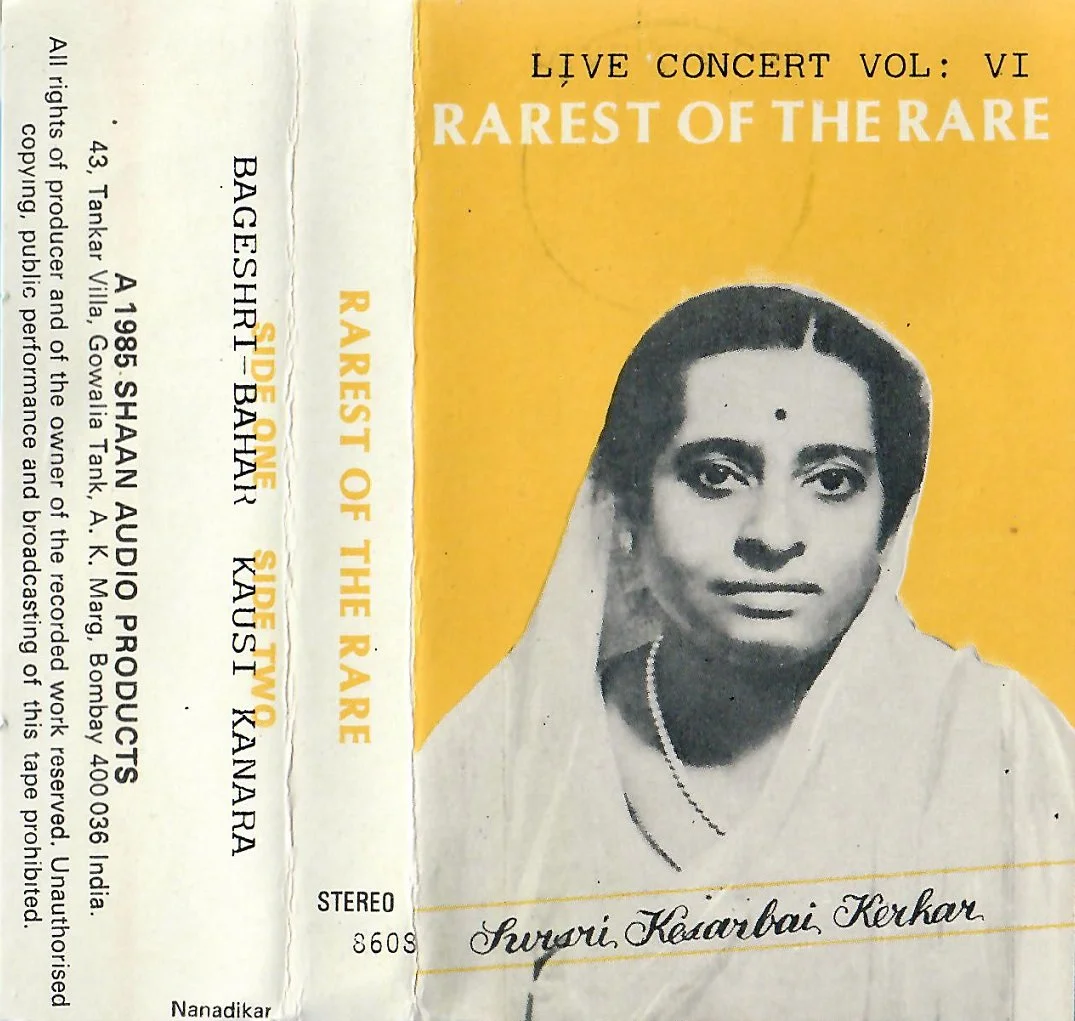
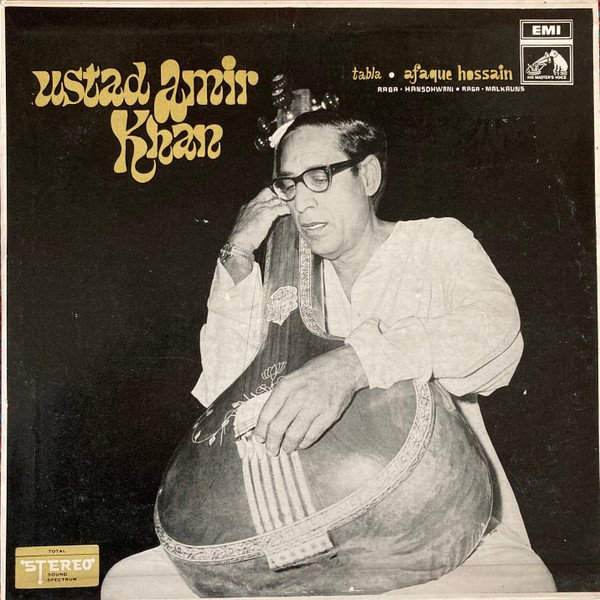
Hindustani Raga Vocalists: Amir Khan and Kesarbai Kerkar

Last session we looked at the music of American composer La Monte Young, innnovator of contemporary music who pioneered the use of long duration tones, just intonation tuning, and the phenomenological aspects of harmony and interval relationships when physically experienced in a space over time. Young was highly influenced by his training in Hindustani (North Indian/Pakistani) classical singing, which occurred over a 26 year period in which he and his partner Marian Zazeela became disciples of their guru Pandit Pran Nath, when he came to New York from India in 1970 until his death in 1996.

This session we go to this source, Hindustani vocal music, and look at two giants of the artform: Amir Khan and Kesarbai Kerkar. In the links below are recordings of legendary performances by the artists- there is too much to say about this music that is beyond the scope of our workshop. But for our purposes, we hear their sublime example of singing in relation to a drone (played on the tambura) and their masterful tuning, timbre, dynamics, as they slide elegantly around the drone creating the distinctive melodies and moods of the respective ragas being performed. See if you can hear the 2nd, 4th, and 5th intervals we’ve already learned.

Listen to the quality of their vocal tones, the pristine yet soulful sound, and the depth they are able to express by having mastered tuning, interval relationships, and the particular qualities of their own voices. Khan’s voice is notably limited, restrained, but very pure and powerful- understated and noble- producing a trance like state in the listener. Kerkar’s voice becomes otherwordly and ethereal, sometimes lost in the mix of instruments and sometimes seeming to make us float into space with her, disorienting and blissful. Notice how they both use duration for dramatic effect.

Amir Khan: Raga Abhogi and Suha (1955): https://youtu.be/rCDYJDOkDOc

Kesarbai Kerkar: Raga Lalit (1930’s): https://youtu.be/KWWOBdTlJJg